Apollo and Britz are two of Australia's most recognised campervan brands — together they've historically accounted for around 80% of all campervan rentals across the country. In this head-to-head comparison we look at reputation, insurance, fleet options and the extras that matter when you're choosing between the two.
Who are the companies we are comparing?
Apollo has been providing campervans to holidaymakers since 1985 and operates in Australia, New Zealand, Canada and the US. In Australia they have depots in all major cities. Their current Australian fleet spans eight models — all automatic — ranging from compact 2-berth HiTops through to 4-berth motorhomes and a rugged 4WD camper. Sister brands include Hippie Camper, Cheapa Campa and Star RV.
With depots all around the country, Britz is one of Australia's largest campervan operators. Sister brands include Mighty Campers and Maui. They also have a presence in New Zealand and North America. Britz design and maintain their own campervans, cap their fleet age at three years old, and offer genuine 4WD options for outback travel.
Important context for 2026: Apollo and Britz are now owned by the same parent company. In November 2022, Tourism Holdings Limited (thl) — Britz's parent — completed the acquisition of the Apollo group. So when you're comparing these two, you're comparing two brands under one corporate roof. They still operate independently with different fleets, pricing and branding, but the competitive dynamic that once drove each brand to outdo the other has changed significantly.

Company Reputation
A company's reputation is the first thing worth examining before committing to a rental. Both brands publish reviews on their own websites which, as you'd expect, skew positive. More useful are independent platforms. On the Hit The Road platform, Apollo scores 3.2/5 from customer reviews, with common complaints centring on overcharging disputes and vehicle condition not meeting expectations. Britz scores a healthier 3.8/5 on the same platform, with most feedback positive — though there are occasional mentions of items not working properly and inconsistent customer service at depots.
Our editorial team rates Apollo at 4.0/5 and Britz at 4.5/5, based on fleet quality, pricing transparency and overall experience. Britz's stricter fleet age cap (vehicles retired at three years or 150,000km) is a tangible advantage here.
Apollo vs Britz Reputation Winner: Britz
Insurance Matters
Both companies operate the standard Australian campervan insurance model: a significant bond is debited from your credit card at pickup, with daily options to reduce or eliminate that liability. The devil is in the detail. Here's how the 2026 figures compare.
| Item | Apollo | Britz |
|---|---|---|
| How is the bond/excess taken? | Debited from card | Debited from card |
| Standard bond (campervans) | $5,000 | $5,000–$7,500 |
| Standard bond (4WD/motorhomes) | $7,500 | $8,000 |
| Partial reduction option | ~$38/day → $2,500 excess | N/A (straight to zero) |
| Zero excess option | ~$45/day → $0 excess | $50/day → $0 excess |
| All-inclusive pack | ~$45/day (Value Pack) | $60/day + extras |
| Windscreen & tyre protection | Included in top tier | Included in top tier |
| 4WD zero excess option | ~$45/day | $64/day (Inclusive Pack) |
Apollo offers a useful partial reduction tier — paying around $38/day to reduce liability to $2,500 is handy for budget-conscious renters who can't stretch to full zero-excess cover. Britz goes straight to zero, which is cleaner but costs more. At the top tier, Britz's Value Pack at $60/day adds practical extras (camping chairs, table, baby seats, linen exchange) which can justify the premium if you'd be hiring those items anyway.
One useful rule of thumb: look up how many dollar signs appear in each company's Terms & Conditions document. Apollo's T&Cs contain around 111 instances — Britz's around 34. That's a useful proxy for how complicated the financial conditions are to navigate.
For a full breakdown of how campervan insurance works in Australia, see our campervan insurance guide.
Apollo vs Britz Insurance Winner: Britz
Fleet Comparison
Both brands have refreshed their Australian fleets significantly in recent years. Here's where things stand in 2026.
Apollo's Australian fleet (8 models): Adventure Camper 4WD (2-berth), Euro Mini Motorhome (2-berth), Euro Tourer Motorhome (2-berth), HiTop Camper (2-berth), Euro Plus Motorhome (3-berth), Endeavour Camper (4-berth), Euro Camper Motorhome (4-berth), Euro Quest Motorhome (4-berth). Every Apollo vehicle in Australia is automatic — an advantage for international visitors.
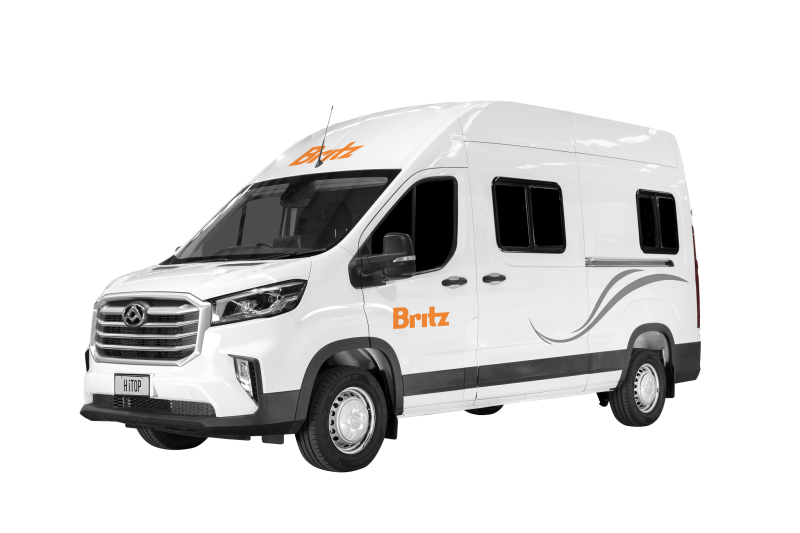
Britz's Australian fleet (5 models): HiTop (2-berth), Trailblazer (2-berth), Maverick 4WD (2-berth), Voyager (4-berth), Warrior 4WD (4-berth). All vehicles are retired from the Britz fleet at three years old or 150,000km and passed to sister brand Mighty Campers.
Apollo has more variety, particularly at the motorhome end of the market. Britz keeps things simpler but every model from the Trailblazer upwards includes shower and toilet. For genuine 4WD adventures, Apollo's Adventure Camper offers rugged off-road credentials, while Britz's Warrior is a solid all-rounder for outback tracks with the added comfort of onboard facilities.
Apollo vs Britz Fleet Winner: Apollo (wider range)
Anything Else Worth Knowing?
Both Apollo and Britz now use the thl Roadtrip App (the old Apollo Connect app has been superseded). It provides vehicle walkthroughs, roadside assistance, road trip inspiration and depot information for both brands — a direct result of the thl merger.
Apollo maintains a large combined fleet across its group brands. All Apollo vehicles are a maximum of three years old. They offer $1/day vehicle relocations on certain routes — a worthwhile option if your itinerary is flexible. Pet-friendly hire (registered dogs and cats) is available across most models. One-way hire is straightforward between all 10 Australian depots.
Britz was the first Australian campervan company to achieve Eco-Tourism accreditation through EcoTourism Australia and continues to participate in the Leave No Trace program. They offer a Linen Exchange at any depot. Britz is a Qantas Frequent Flyer partner: you earn 2 Qantas Points per $1 spent on your rental. Current promotions include 15% off daily rates on NT and Brisbane/Cairns departures — check the Britz site for active offers at time of booking.
Apollo vs Britz Extras Winner: Britz
Overall Winner — Britz
Britz wins this comparison on reputation, insurance clarity and the value of extras. Their fleet age cap gives genuine peace of mind, and zero-excess cover with practical inclusions makes the premium easier to justify. Apollo is the better pick if you want the widest fleet choice or a specific motorhome configuration — and their partial excess reduction tier is a useful budget option Britz doesn't offer.
Compare Apollo and Britz prices side by side using our search tool.
Frequently Asked Questions
Are Apollo and Britz the same company?
They are owned by the same parent — Tourism Holdings Limited (thl), which completed the acquisition of Apollo in November 2022. However, they still operate as separate brands with different fleets, pricing structures and booking systems. Day to day, renting with Apollo or Britz is a different experience despite the shared ownership.
Which is cheaper — Apollo or Britz?
Neither brand consistently undercuts the other. Pricing varies by vehicle type, season and departure city. Apollo can offer better value on some configurations thanks to its wider fleet and partial excess reduction tier. Britz periodically runs promotional discounts on specific routes. Search both on a comparison platform for your exact dates and route.
Can I do a one-way rental with Apollo or Britz?
Yes — both operators support one-way hire between their Australian depots. Both have 10 locations: Sydney, Melbourne, Brisbane, Adelaide, Perth, Darwin, Cairns, Alice Springs, Broome and Hobart. One-way fees apply on some routes; confirm at booking.
Which has better 4WD options?
Apollo's Adventure Camper 4WD is built for rugged use. Britz's Warrior 4WD includes shower and toilet — a comfort edge on longer outback trips. If you're planning serious remote travel (Cape York, Gibb River Road), confirm exactly which tracks are covered under each operator's insurance before booking.
Do Apollo and Britz use the same app?
Yes — both brands now use the thl Roadtrip App, which replaced Apollo's old Connect app after the merger. It covers vehicle walkthroughs, roadside assistance and travel inspiration across both brands.
Is Britz eco-friendly?
Britz was the first Australian campervan company to achieve EcoTourism accreditation through EcoTourism Australia and participates in the Leave No Trace program. Apollo does not hold the same accreditation.
Final Opinion
If you're choosing between Apollo and Britz today, go with Britz — but the margin is smaller than it used to be, and shrinking.
For most of the past decade, these two brands competed hard against each other on quality, pricing and customer experience, which was great for renters. Since the 2022 merger, that incentive to outdo each other is largely gone. They're now two flavours from the same kitchen, with resources increasingly consolidated behind the scenes.
Britz is the dominant brand in this arrangement — it was Britz's parent (thl) that acquired Apollo, not the other way around. That means Britz receives more investment, stronger marketing attention and better fleet management disciplines. Our read is that the Apollo brand will gradually be wound back over the coming years. It hasn't happened yet — and Apollo is still a quality operator — but the trajectory is clear.
So if you're indifferent between them and pricing is similar: choose Britz. Better reputation, cleaner insurance, stricter fleet standards, and the backing of the dominant brand in the group. If Apollo has a configuration you specifically need, or is meaningfully cheaper for your dates, it's a sound choice. Just know what you're booking into.
The real competitive story in the Australian market now isn't Apollo vs Britz — it's thl Group vs JUCY. That's the rivalry worth watching.
By Tim Ahern